
Can luck truly influence your success at a casino?
The Concept of Luck in Gambling
The concept of luck is deeply woven into the fabric of gambling culture. While skill and strategy undoubtedly play significant roles in various games, luck is often regarded as a fundamental component that can swing the odds in favor of players. This unpredictability makes gambling thrilling, as outcomes can shift dramatically with each spin of a wheel or flip of a card. Many players enter casinos believing that luck will favor them, and this belief can significantly influence their gaming experiences, especially when they seek the best online casino in new zealand for their next adventure. The sheer excitement of possibly hitting a fortunate streak can lead to a rollercoaster of emotions, where the thrill of potential wins outweighs the logical understanding of odds.
Moreover, the psychological impact of luck cannot be underestimated. Players often recount stories of winning streaks, which reinforce their belief in luck as a genuine factor in their success. For instance, someone might walk into a casino and immediately hit a jackpot, attributing it to luck. Such anecdotes not only serve to embolden the individual’s faith in fortune but also spread the idea among fellow gamblers that luck is an accessible and tangible force. This anecdotal evidence feeds the notion that success in a casino setting is not solely reliant on strategy but can also be a product of random chance, creating a captivating narrative around every game.
However, it’s essential to recognize that luck operates within a structured framework governed by probability. While luck can influence short-term outcomes, the long-term results of casino games are often determined by mathematical odds. For example, in games like slot machines, the house edge ensures that over time, the casino will profit from the majority of players. This means that while a player may experience fleeting moments of luck, consistent success is unlikely. Understanding this dichotomy is crucial for any gambler aiming to navigate the complexities of casino gaming and to set realistic expectations for their experiences.
The Role of Skill and Strategy
While luck might be a major player in deciding the outcome of a single game, skill and strategy often dictate a player's long-term success in the casino. Games like poker require a firm grasp of strategy, as players must analyze their opponents, calculate odds, and make informed decisions. In these instances, skill becomes a critical factor that can outweigh the randomness of luck. A seasoned poker player can read the table and adjust their strategy based on the behavior of their opponents, illustrating that preparation and knowledge are key to achieving consistent results.
Consider a skilled poker player who employs various strategies, such as bluffing or positional play, to gain an edge over less experienced opponents. This player understands the intricacies of the game and can make choices that lead to favorable outcomes, regardless of luck. Their experience allows them to navigate the complexities of the game, making strategic decisions that enhance their chances of winning. Thus, while luck can contribute to a single win, it is not a substitute for the depth of knowledge and tactical understanding required for consistent success.
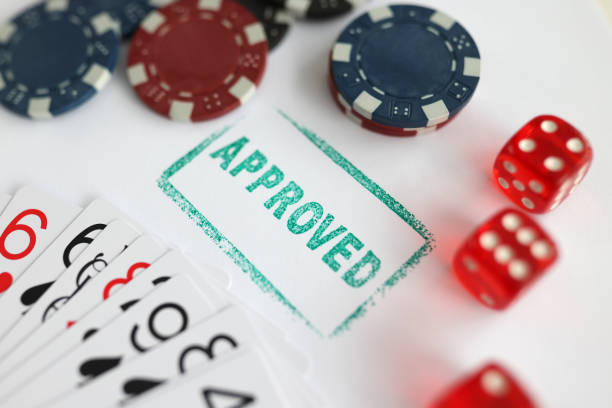
Similarly, in games such as blackjack, players can employ strategies like card counting to shift the odds slightly in their favor. This approach requires practice and a deep understanding of the game’s mechanics, demonstrating that skill and strategy are powerful tools in mitigating the element of chance. The ability to make informed decisions based on the cards played can significantly reduce the house edge, suggesting that while luck plays a notable role, it is skill that enhances a player’s chance for consistent success in casino environments. This balance between luck and skill is what separates casual players from professionals.
The Influence of Environment and Atmosphere
The casino environment itself can also influence a player’s perception of luck and success. Designed to be alluring and immersive, casinos create an atmosphere that can affect the emotional states of gamblers. The sights, sounds, and overall ambiance can trigger feelings of excitement and anticipation, which may enhance the belief that luck is on their side. This sensory overload can lead to a heightened state of thrill that may cause players to take bigger risks, further entwining their experiences with the concept of luck. The vibrant atmosphere can create an illusion that fortune is favoring them, igniting a desire to continue playing in hopes of replicating their initial wins.
Furthermore, social interactions within the casino can play a significant role in each player's mindset. Sharing experiences with fellow gamblers can foster a sense of community and shared fate, leading to collective beliefs in luck. A group of friends celebrating a win together can amplify the feeling of luck, while the opposite can also occur where losses might be downplayed as mere bad luck. This social aspect creates a shared narrative around luck, which can influence individual experiences and perceptions. The camaraderie experienced in such settings can enhance the thrill of the game, making each win feel more significant when celebrated among peers.
In addition to social dynamics, the strategic placement of games and the availability of bonuses or promotions by casinos also contribute to players' beliefs about their luck. Promotions may lead players to believe they are more fortunate during specific periods. The layout of a casino is meticulously designed to optimize engagement and encourage continuous gameplay, further embedding the perception that luck can be controlled or influenced by external factors. This manipulation of the environment reinforces the idea that players can harness luck, prompting them to stay longer and gamble more.
The Balance Between Luck and Responsible Gambling
While the allure of luck can enhance the excitement of casino games, it is crucial for players to maintain a balanced perspective. Responsible gambling is essential, as the unpredictability of luck can lead to significant financial risks if not approached cautiously. Gamblers must recognize that luck is not a reliable method for achieving success; rather, it is a variable that exists alongside skill and strategy. This understanding can help mitigate potential losses and foster a more enjoyable gaming experience. By acknowledging the precarious nature of luck, players can develop healthier gambling habits that prioritize enjoyment over financial gain.
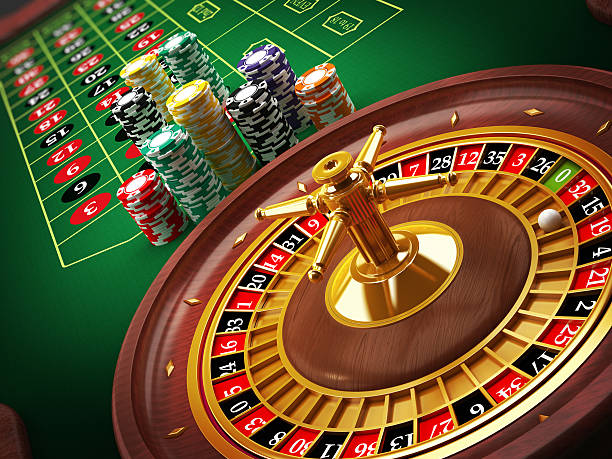
Establishing clear limits and adhering to a budget can be effective ways for players to navigate their emotions surrounding luck and gambling. By setting these boundaries, they can enjoy the thrill of the game without falling prey to the common pitfalls of excessive betting driven by the hope of winning big. This proactive approach can transform the gaming experience from one of desperation and luck-driven decisions to one of enjoyment and entertainment. Ultimately, responsible gambling practices instill a sense of control that can enhance the enjoyment of gaming.
Moreover, education on the games being played can empower players to make informed decisions. Knowledge about odds, payouts, and strategies can significantly reduce the reliance on luck, fostering a healthier relationship with gambling. This increased awareness allows players to approach their gaming experience with a strategic mindset rather than one dominated by the whims of luck. By shifting their focus from luck to skill and strategy, players can promote long-term engagement with the games, avoiding the chase for elusive lucky streaks that may never materialize.
Understanding Your Personal Experience
Ultimately, each gambler's experience is unique and shaped by personal beliefs about luck. Some players may find that their superstitions or rituals play an integral role in how they perceive their chances of success. Whether it’s wearing lucky clothing or choosing specific times to play, these practices can create a psychological framework that enhances their gaming experience. This is a testament to how deeply personal beliefs about luck can influence individual experiences at a casino. Recognizing these beliefs can help players navigate their feelings and expectations while gambling.
Furthermore, self-reflection can help players assess how their relationship with luck impacts their gaming behavior. Understanding the balance between their assumptions about luck and the realities of gambling can pave the way for healthier gaming habits. This introspection can lead to a more enjoyable experience, minimizing the emotional highs and lows associated with luck-driven outcomes. By fostering this awareness, players can cultivate a balanced approach that prioritizes enjoyment over the fleeting nature of luck.
In conclusion, recognizing and acknowledging the role of luck in gambling can empower players to create more enriching casino experiences. Whether one believes luck plays a significant part or views skill as the primary driver of success, both factors coexist and contribute to the overall gaming experience. By embracing this duality, players can approach their time in casinos with a balanced mindset, maximizing enjoyment while minimizing risks. This understanding not only enhances the thrill of the game but also promotes a more sustainable and responsible gambling practice.